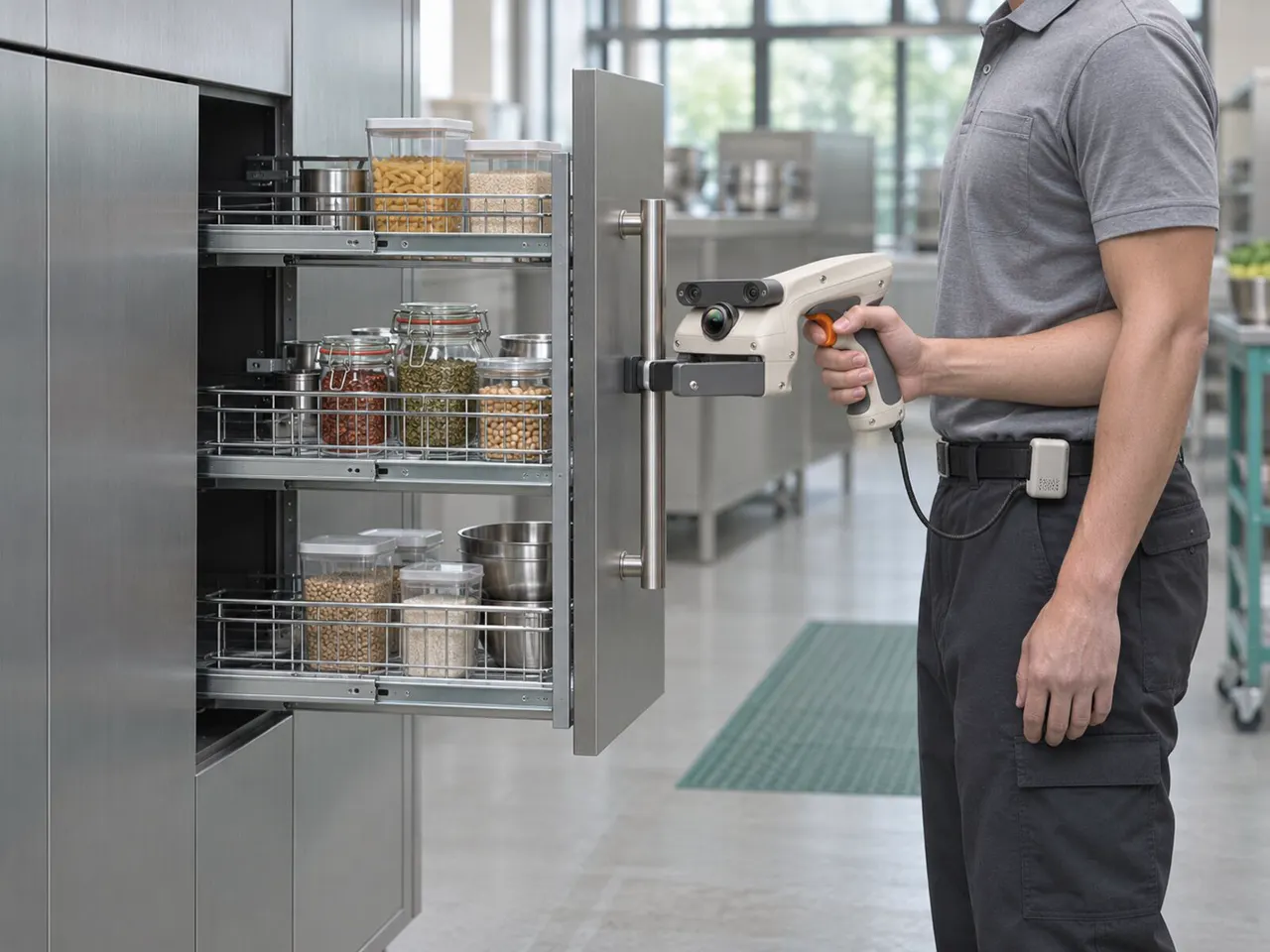
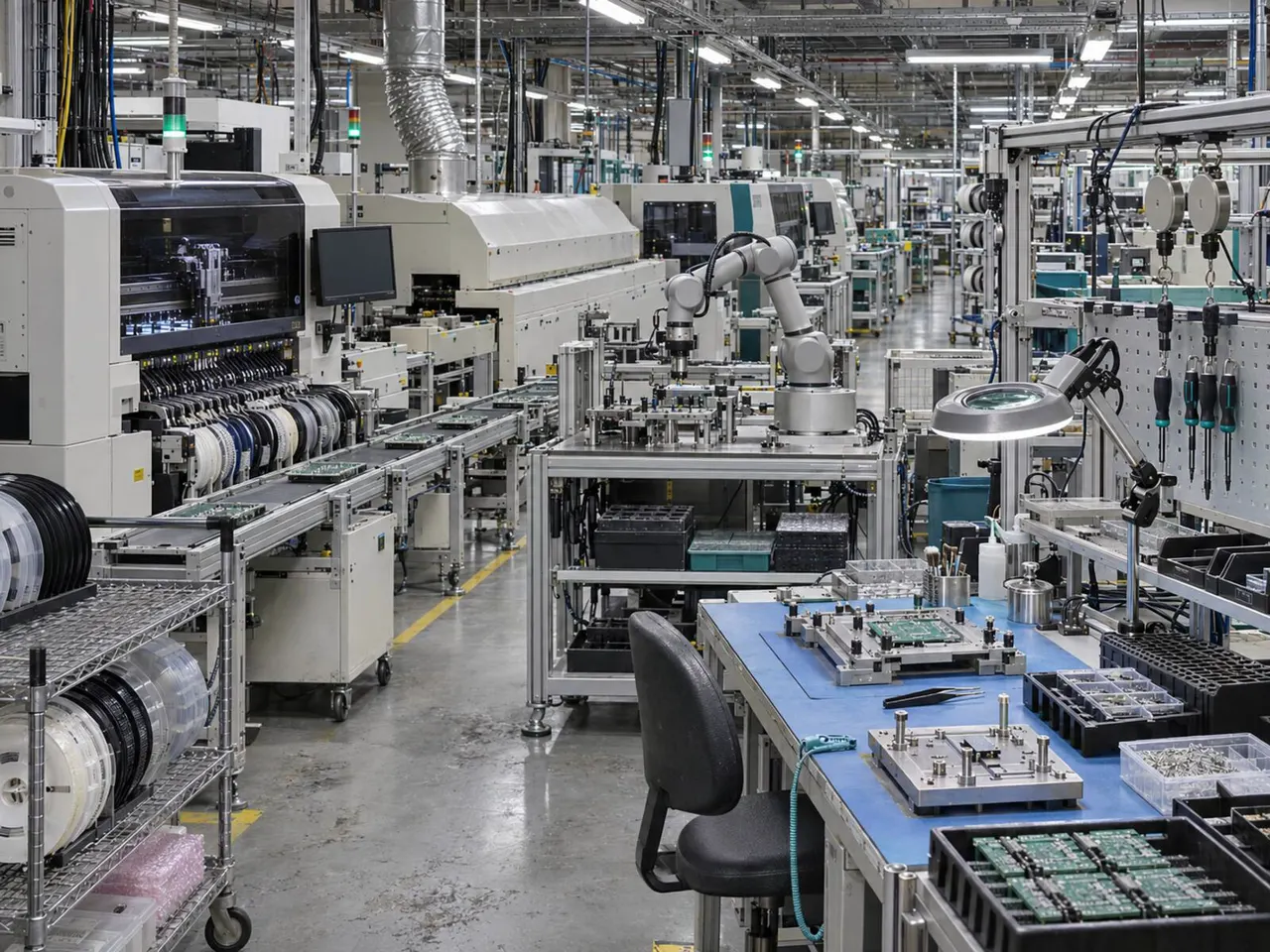
Whole rooms In development
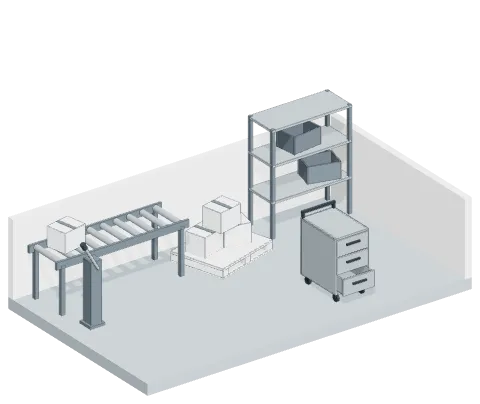
A dense line or a packed kitchen, rebuilt as one twin.
We turn the real objects on your site into simulation-ready twins, so your team can collect training data and test before deployment day.

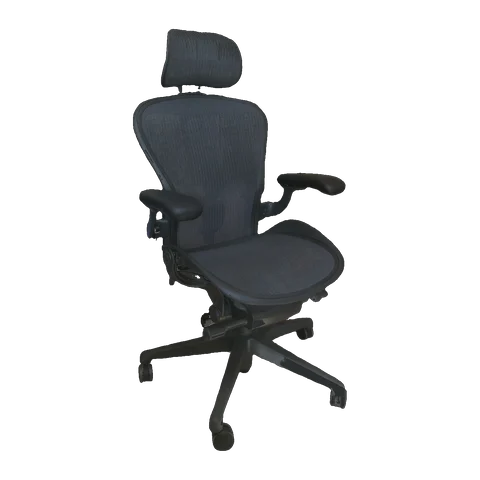
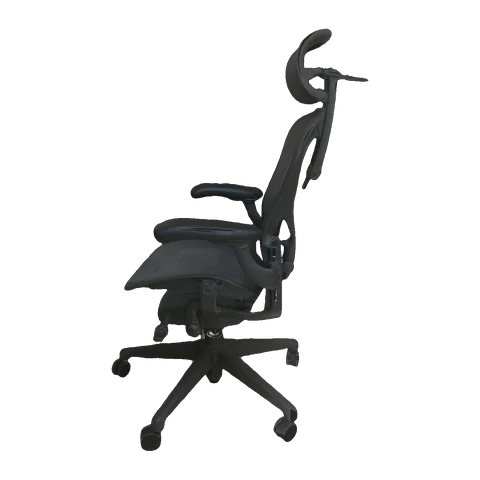
Twins like this chair are usually built by hand, one object at a time.
Capture
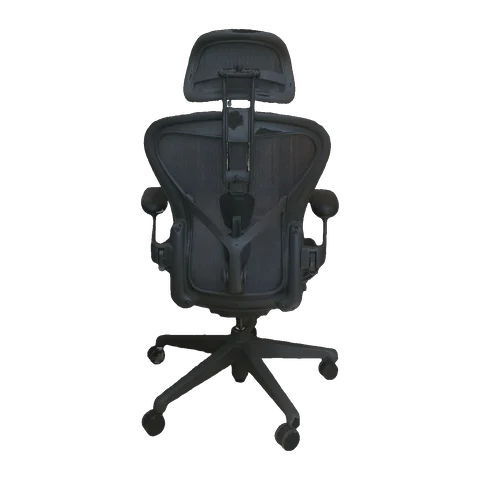
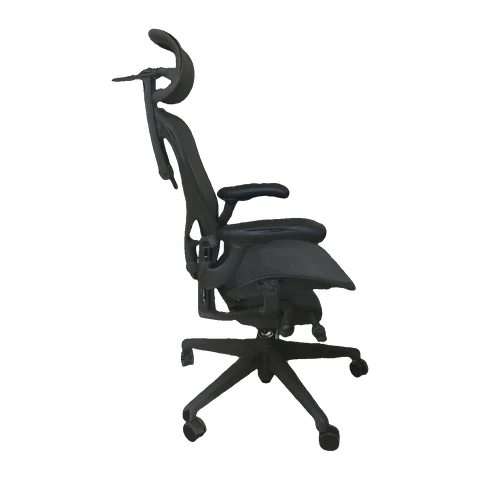
Four photos of the chair, a clip of how it moves, and its spec sheet.
Motion clip
How it moves. Private, not shown.
Twin
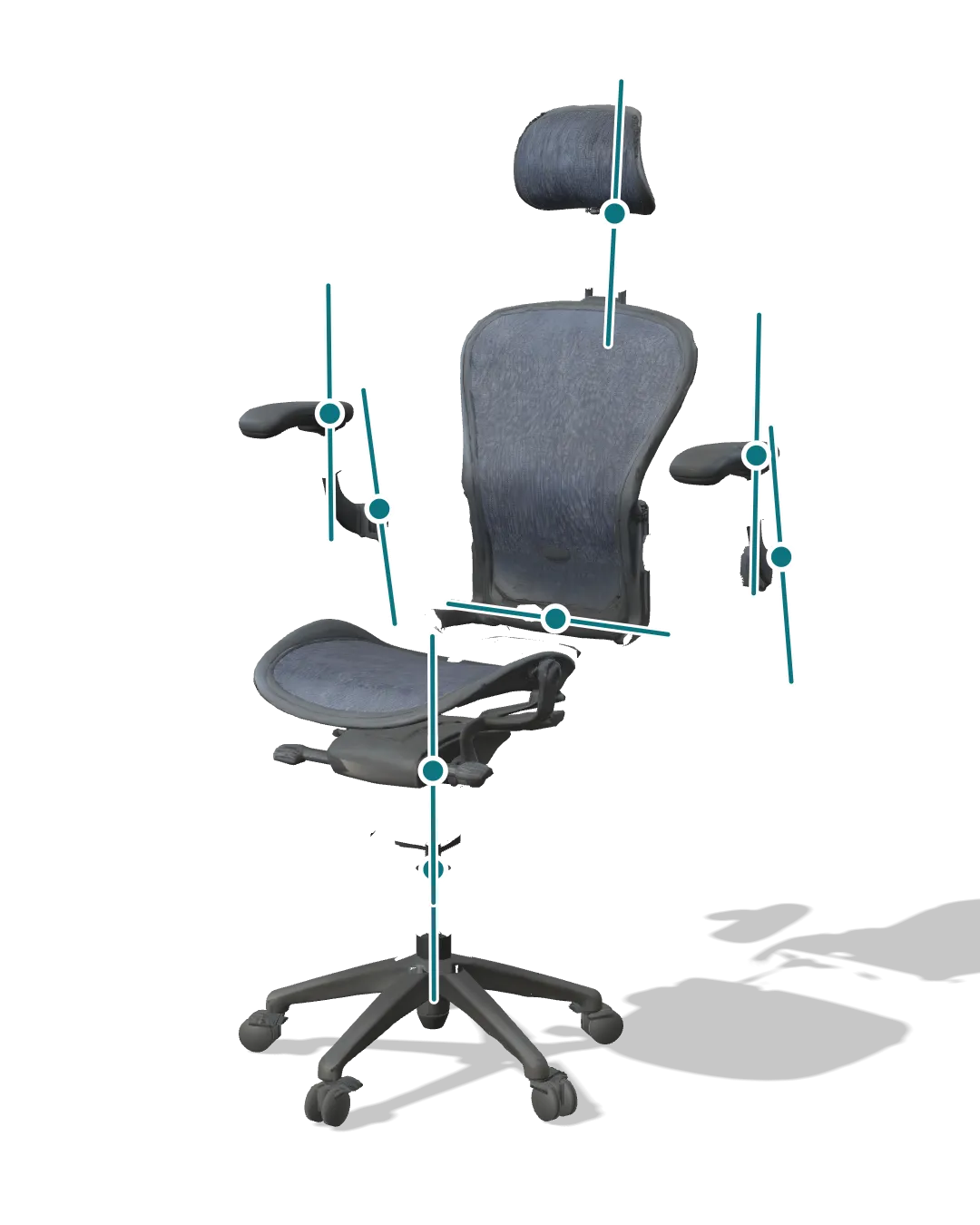
20 parts joined by 19 joints, with masses and colliders, checked in MuJoCo and Isaac Sim.
Train and test
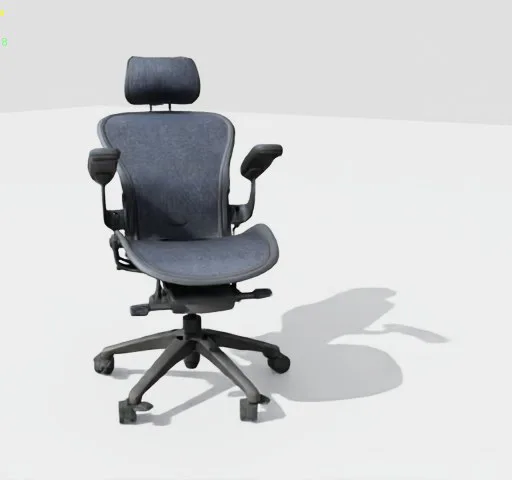
Your team collects training data and tests policies with it, in your own MuJoCo or Isaac Sim stack.
Drag a part. Every value carries its source.
| Part or joint | Range | Mass | Source |
|---|---|---|---|
| Base and gas-lift tube | fixed | 4.1 kg | EST |
| Seat height | 115 mm | 0.5 kg | DOC |
| Seat swivel | continuous | 7.5 kg | EST |
| Back recline | 0 to 26° | 2.9 kg | EST |
| Headrest height | 60 mm | 0.35 kg | EST |
| Headrest tilt | ±20° | 0.45 kg | EST |
| Left arm height | 100 mm | 0.9 kg | DOC |
| Left arm-pad pivot | −17.5° to 15° | 0.55 kg | DOC |
| Right arm height | 100 mm | 0.9 kg | DOC |
| Right arm-pad pivot | −15° to 17.5° | 0.55 kg | DOC |
| Caster swivel, five of them | continuous | 0.06 kg each | DOC |
| Wheel spin, five pairs | continuous | 0.08 kg each | DOC |
| Whole chair | 697 × 811 × 1190 mm | 19.4 kg | sum |
This viewer only poses parts. The physics was checked in MuJoCo and Isaac Sim.
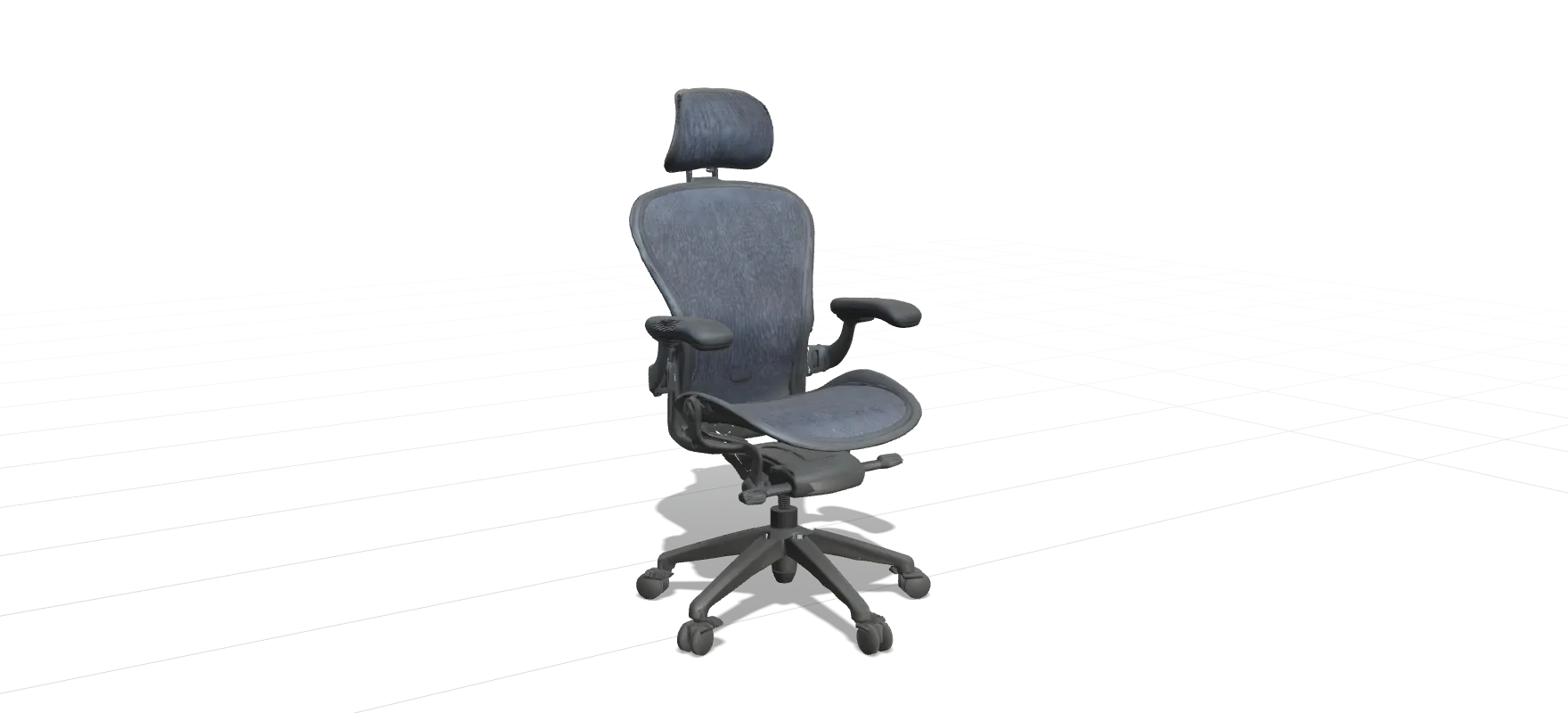
Loaded into the simulators robot teams use, it stands on its five wheels, rolls, swivels, reclines and adjusts through its ranges. Nothing drifts or comes apart.
25 of 25 checks pass, in MuJoCo and in Isaac Sim.
Vary every door, drawer and load across thousands of runs on the site you'll ship to, not a stock scene.
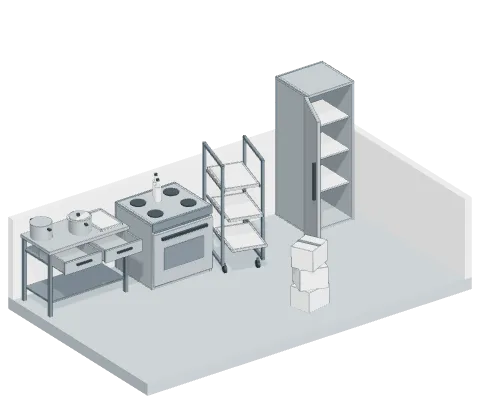
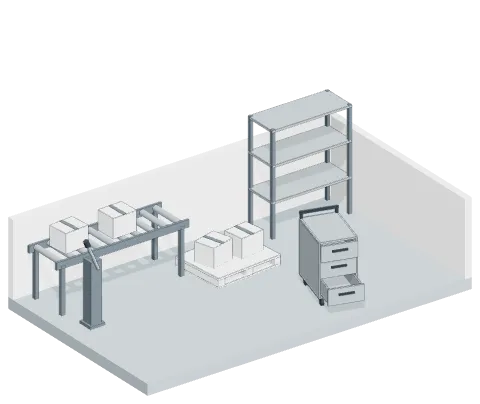
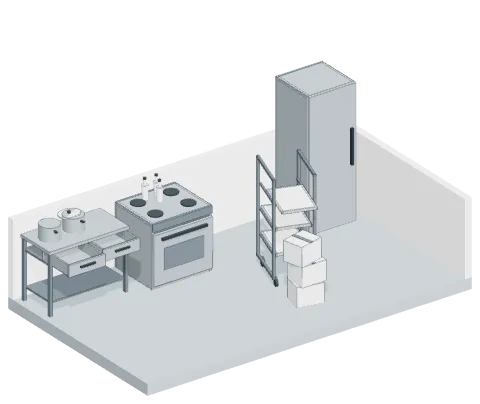
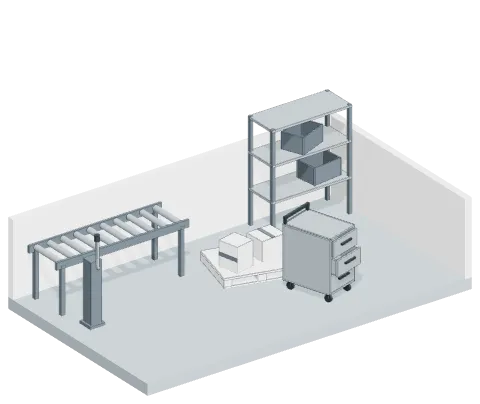
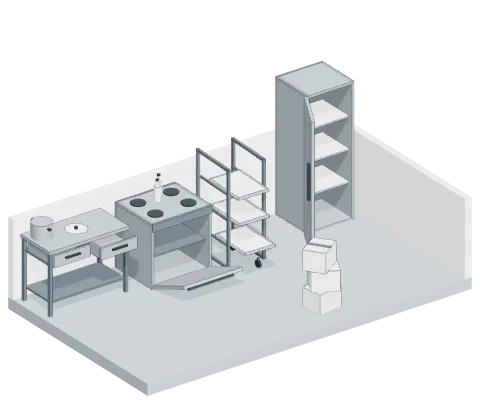
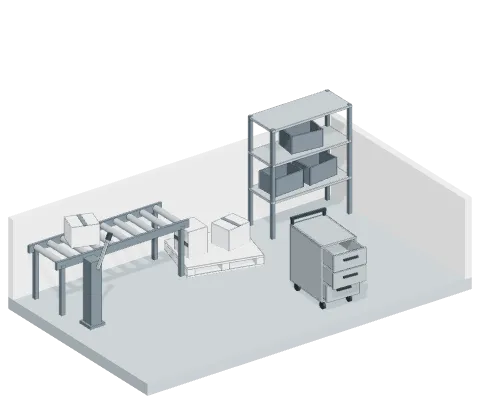
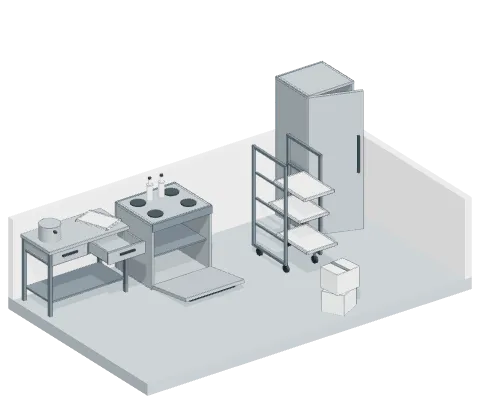
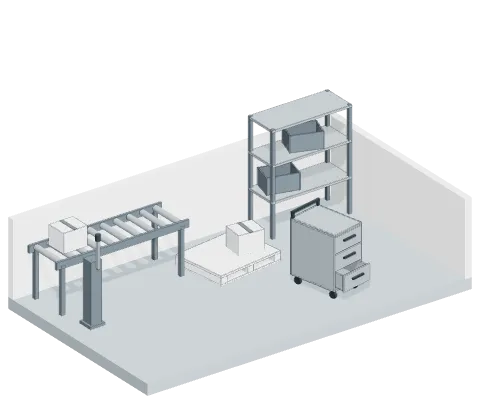
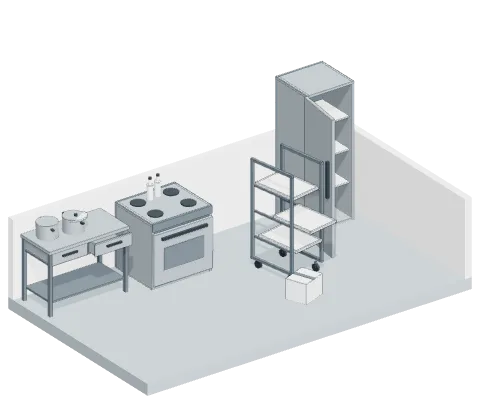
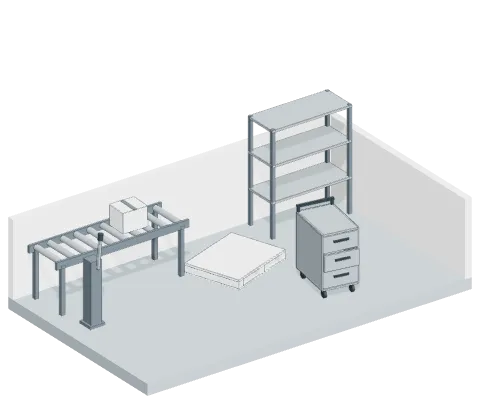
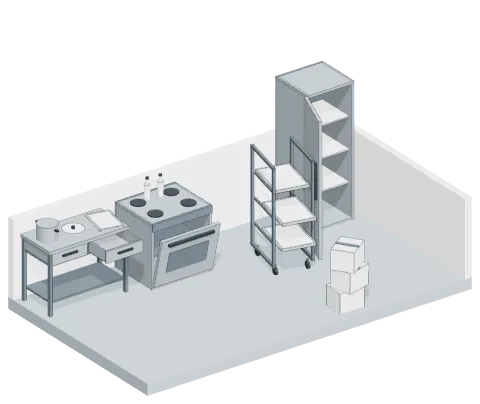
Run your policy on the twin first and see what breaks before your customer does.
Example report
Top failure modes
Failures by object
For your own facilities or your customers' sites.
A dense line or a packed kitchen, rebuilt as one twin.
A handheld pair of sensing grippers measures how parts move.