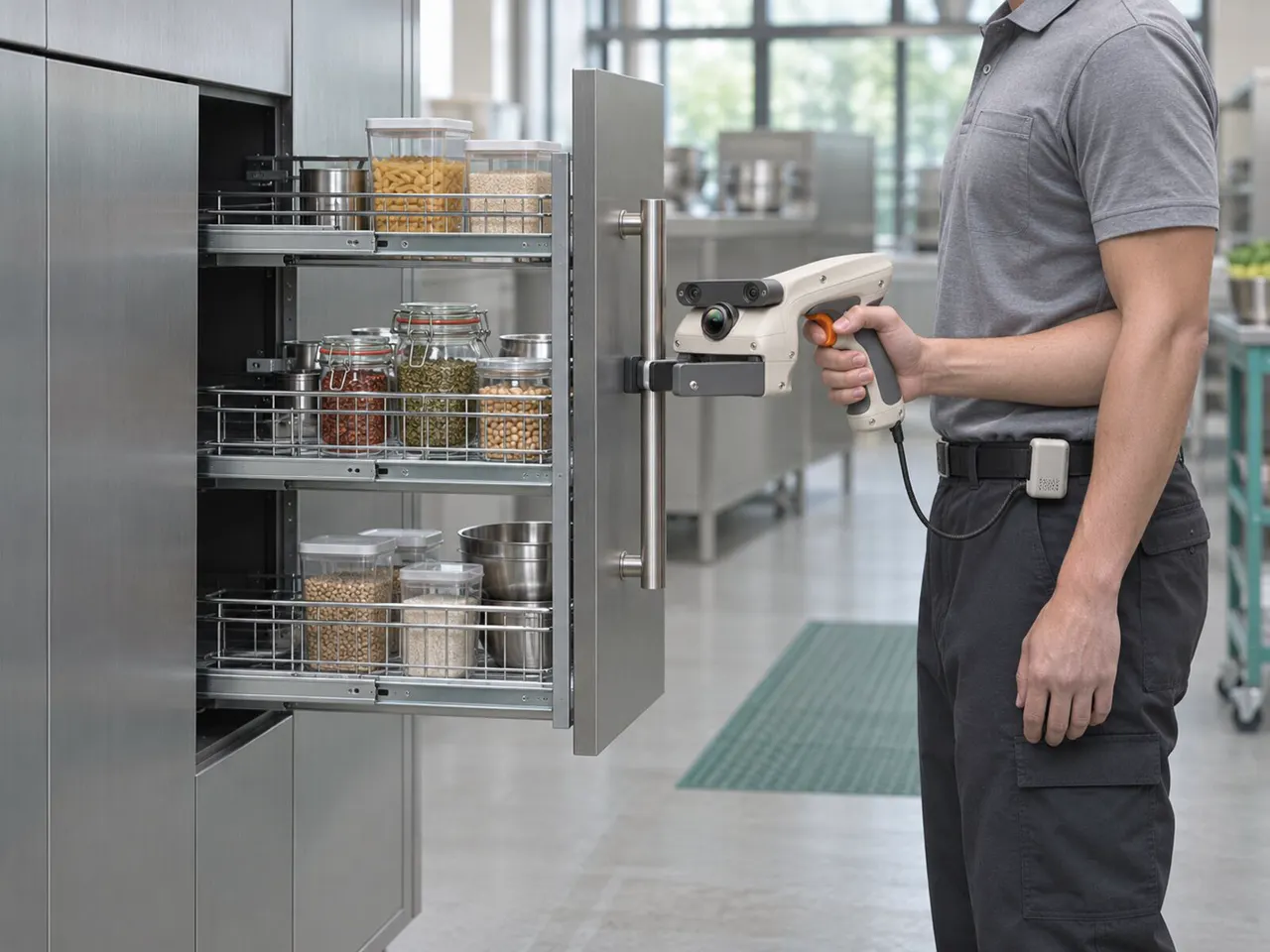
Train and test in the site you're deploying to.
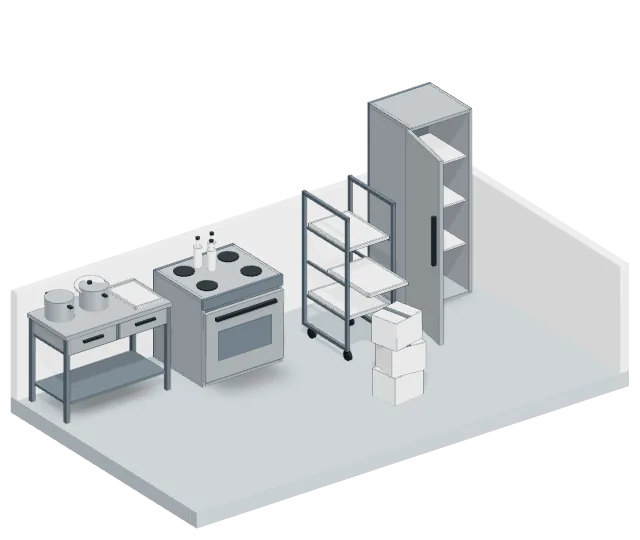
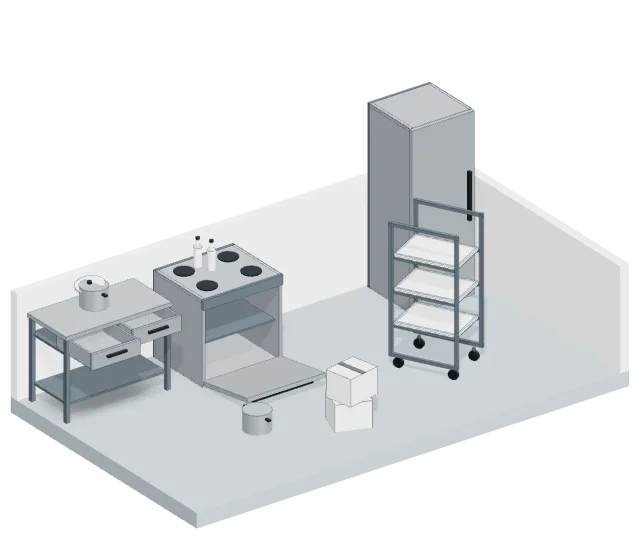
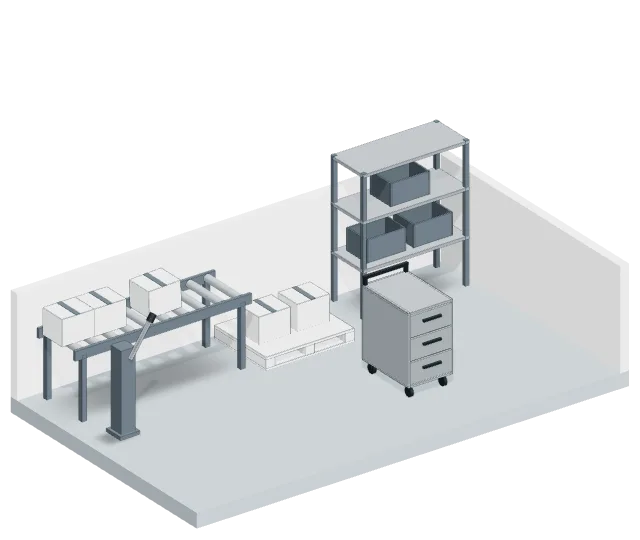
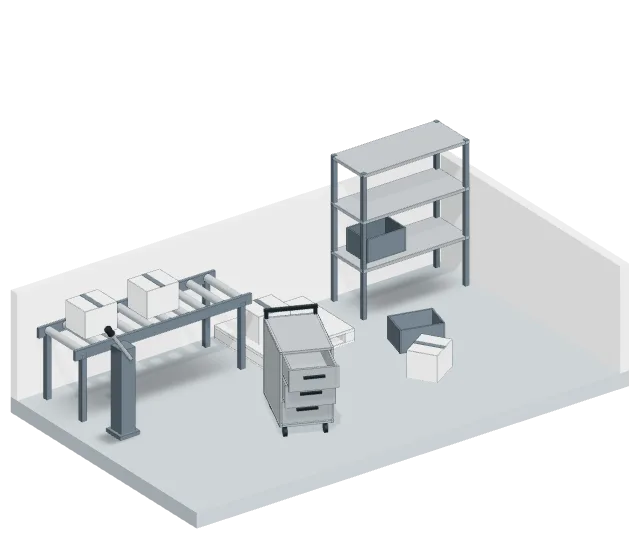
We turn your kitchen, line or warehouse as it stands today, and every object in it, into a simulation-ready twin for Isaac Sim and MuJoCo, so your robot team can train and test there before deployment day.

Or grab anything: pull it, swing it, throw it
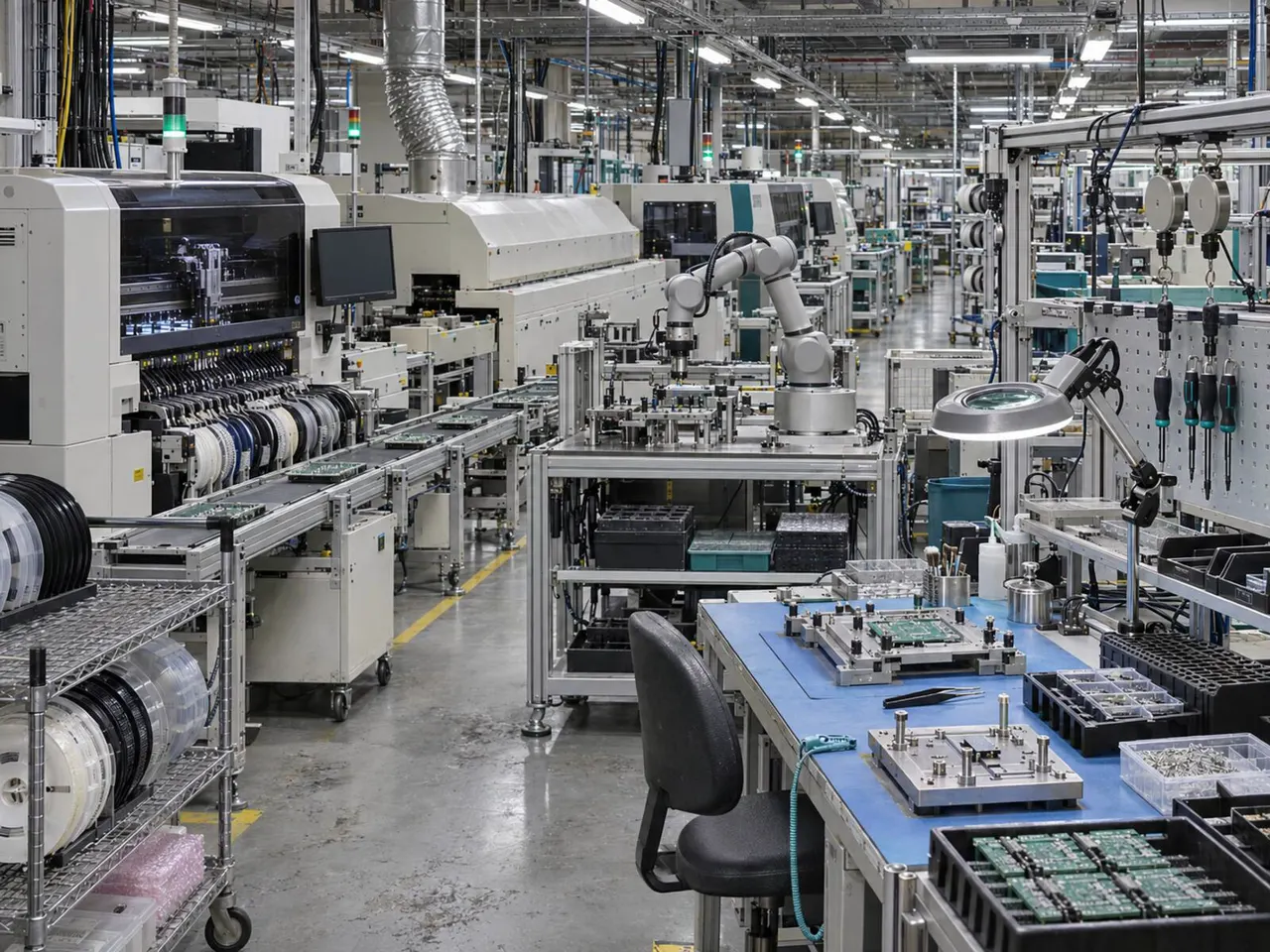
A drawing shows how a site was planned. Robots have to work in it as it was built.
A few photos in, a working twin out
Articulated twins are usually rigged by hand. This one came out of our pipeline.
Capture
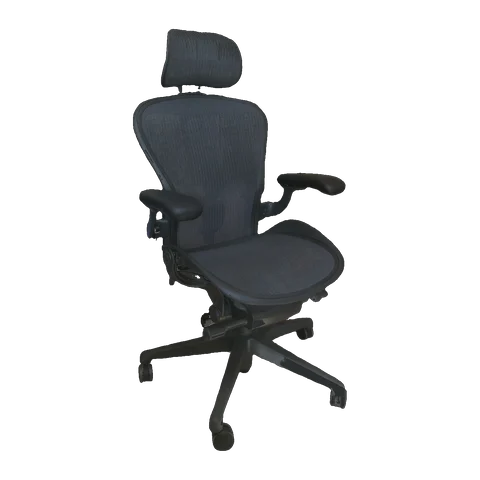
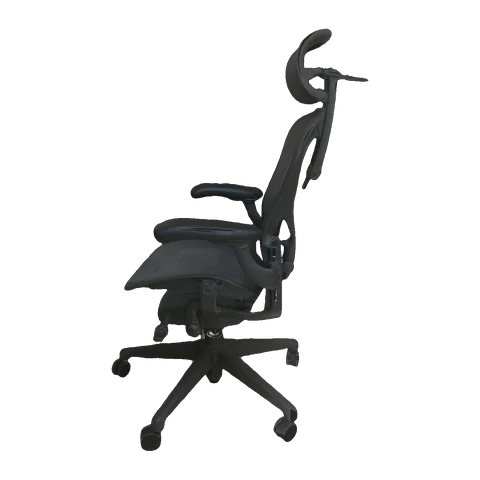
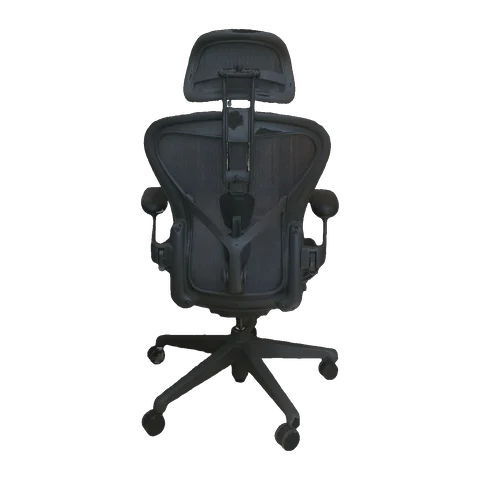
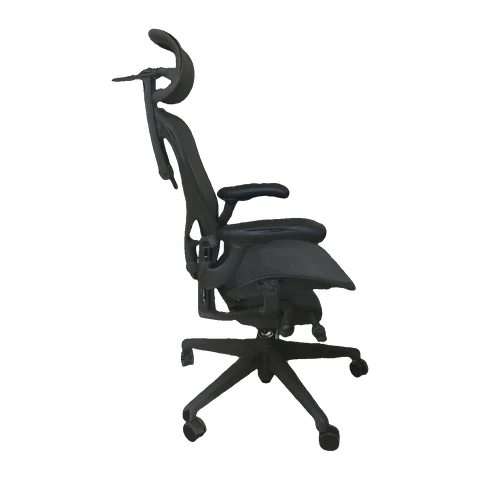
Four photos of the chair, a clip of how it moves, and its spec sheet.
Motion clip
A short clip of the chair moving. Kept private.
- Spec sheet
- Seat travel 115 mmDOC
- Arm travel 100 mmDOC
Twin
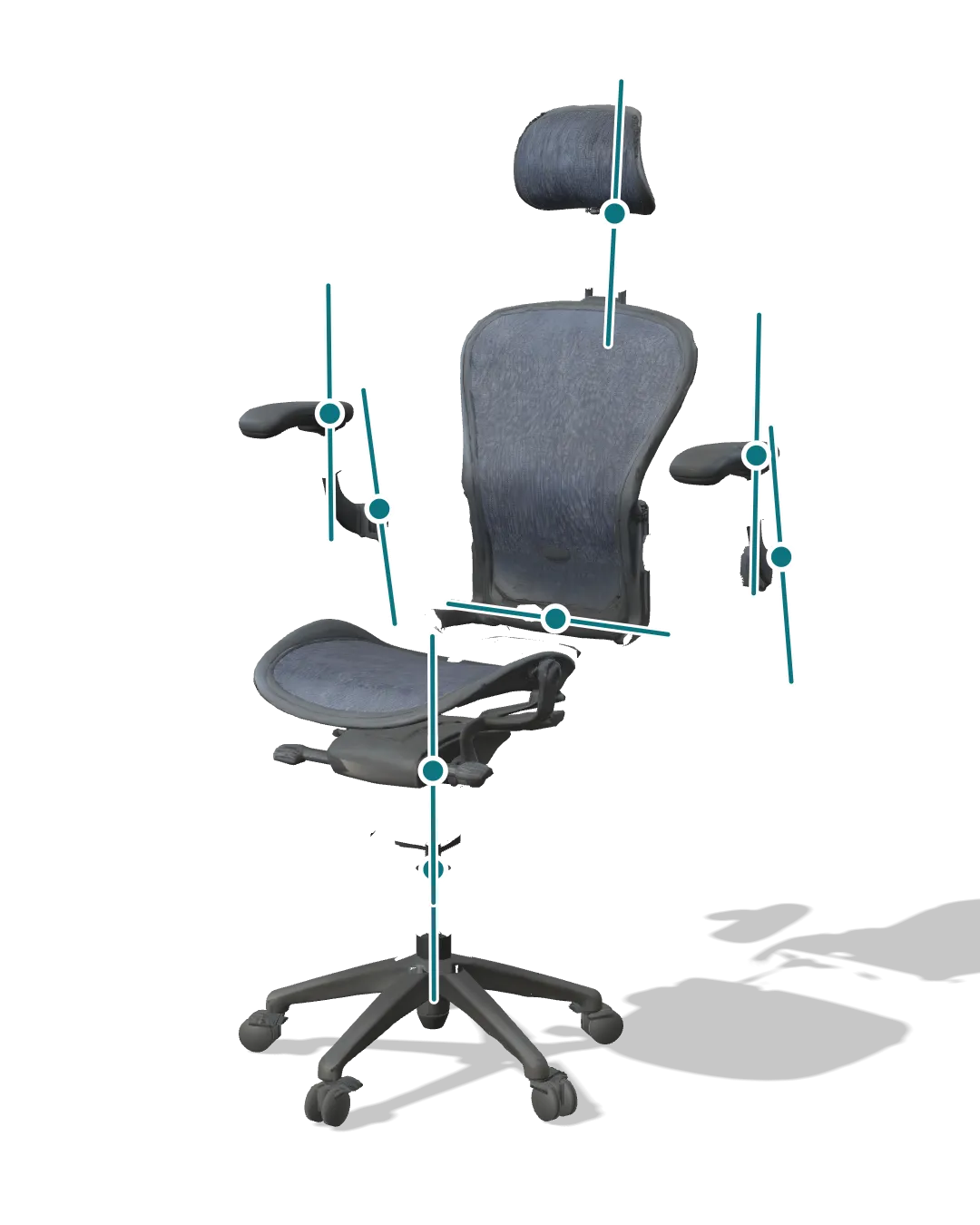
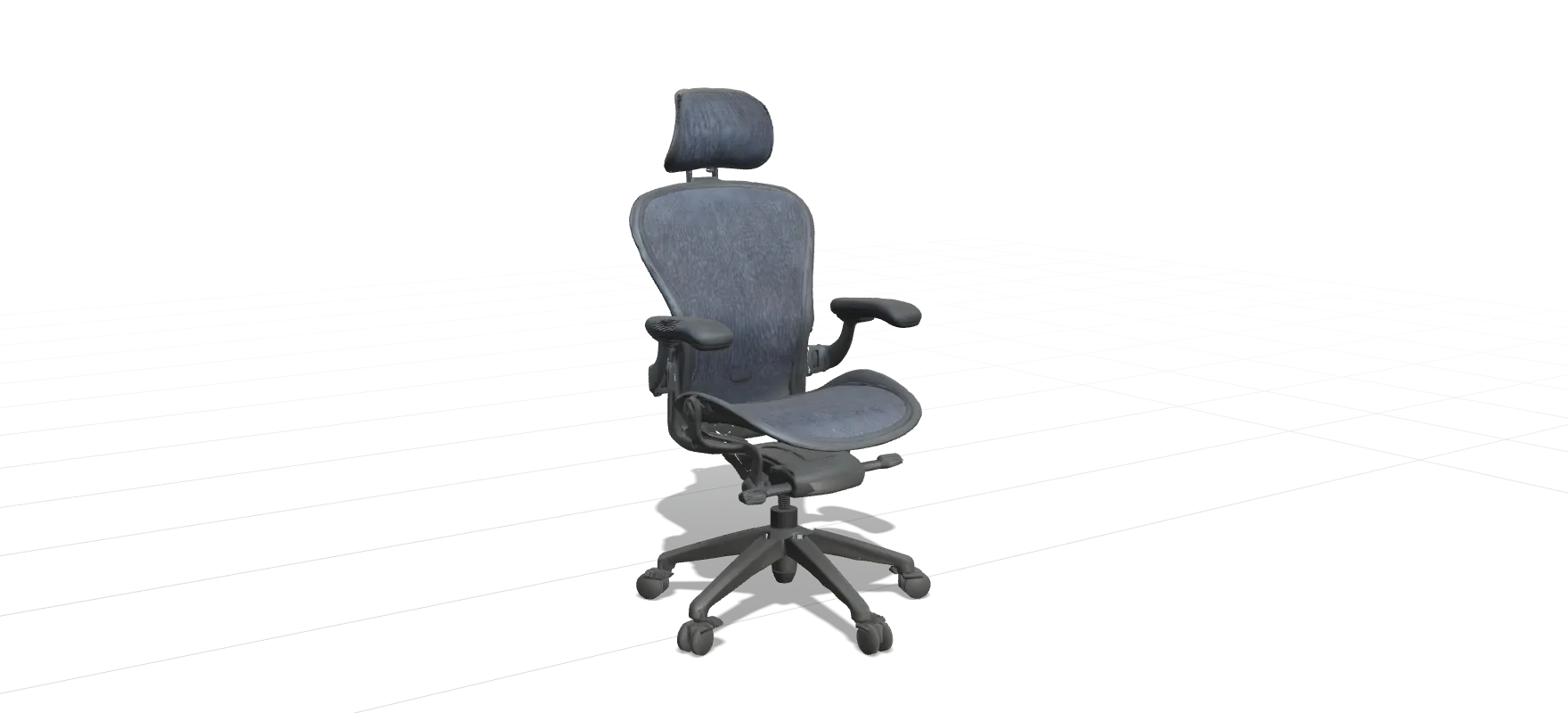
20 parts joined by 19 joints, with masses and colliders, checked in MuJoCo and Isaac Sim.
Train and test
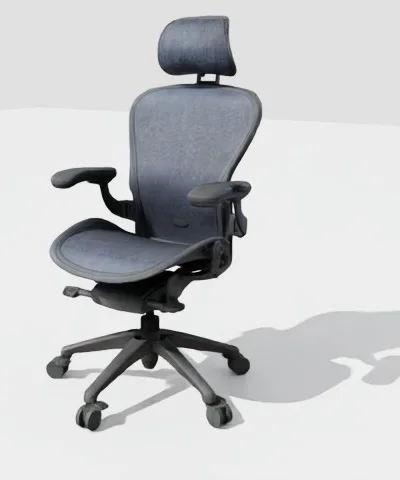
Delivered as OpenUSD for Isaac Sim and MJCF for MuJoCo. Your team trains and tests in its own stack.
SettlePASS
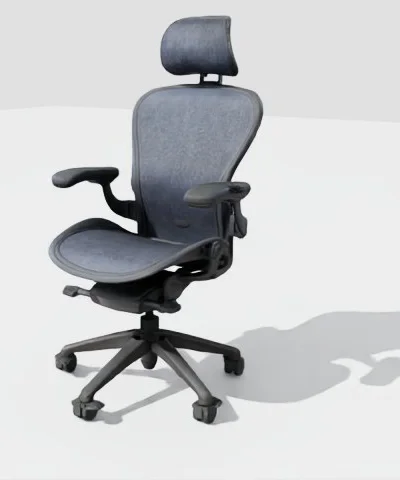
Roll and coastPASS
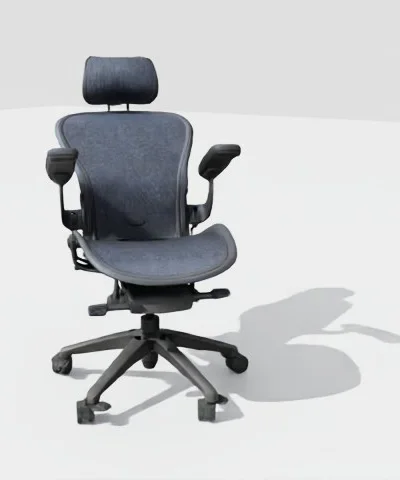
ReclinePASS
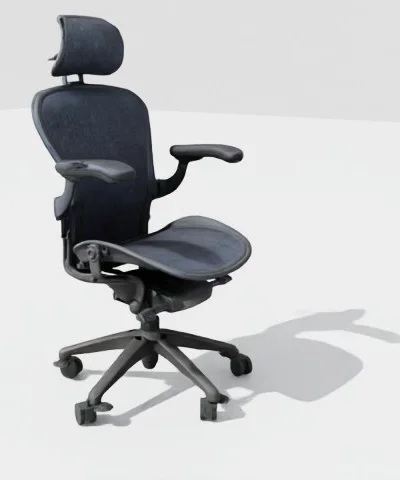
Raise armsPASS
One real chair, rebuilt and checked
Drag a part. Every value carries its source.
- DOC
- EST
- EST
- DOC
- DOC
- DOC
- DOC
Show every partHide the parts
| Part or joint | Range | Mass |
|---|---|---|
| Base and gas-lift tube | fixed | 4.1 kg EST |
| Seat height | 115 mm DOC | 0.5 kg EST |
| Seat swivel | continuous EST | 7.5 kg EST |
| Back recline | 0 to 26° EST | 2.9 kg EST |
| Headrest height | 60 mm EST | 0.35 kg EST |
| Headrest tilt | ±20° EST | 0.45 kg EST |
| Left arm height | 100 mm DOC | 0.9 kg EST |
| Left arm-pad pivot | −17.5° to 15° DOC | 0.55 kg EST |
| Right arm height | 100 mm DOC | 0.9 kg EST |
| Right arm-pad pivot | −15° to 17.5° DOC | 0.55 kg EST |
| Caster swivel, five of them | continuous DOC | 0.06 kg each EST |
| Wheel spin, five pairs | continuous DOC | 0.08 kg each EST |
| Whole chair | 697 × 811 × 1190 mm | 19.4 kg, the sum of its parts |
This viewer only poses parts. The physics was checked in MuJoCo and Isaac Sim.
25 of 25 checks pass, in MuJoCo and in Isaac Sim.
The Isaac Sim run puts the chair through 14 actions, from settling on its wheels to tilting its headrest, and records where its joints and its base end up.
See the 25 checksHide the checks
| Action | What its checks record | Checks |
|---|---|---|
| Settle | Wheels on the floor, base tilt | 2 |
| Roll, then coast | How far the base moved, whether the casters trail behind it | 2 |
| Swivel | How far the base moved, change in seat angle, change in base heading | 3 |
| Lower seat | Seat height | 1 |
| Raise seat | Seat height | 1 |
| Recline | Back angle, seat height, how far the base moved | 3 |
| Release back | Back angle | 1 |
| Raise arms | Left and right arm height | 2 |
| Lean on arms | Change in each arm's height, wheels on the floor | 3 |
| Swing arm pads | Left and right pad angle | 2 |
| Nudge arm pads | Change in each pad's angle | 2 |
| Raise headrest | Headrest height | 1 |
| Tilt headrest | Change in the headrest pad's angle, headrest height | 2 |
| All 14 actions | 25 |
From the Isaac Sim run's record. The MuJoCo run's record gives its total, 25 of 25.
What a twin ships with
- Meshes
- one for every part, with its photographed surface
- Colliders
- convex hulls for the parts, spheres for the wheels
- Joints and limits
- 19 joints, each with its axis and range
- Masses
- an estimate for every part, 19.4 kg in all
- Source tags
- DOC or EST on every joint's range
- Check report
- the Isaac Sim check list, and pass totals for both simulators
What a twin is for
For your own facilities or your customers' sites.
- Training data
Vary every door, drawer and load across thousands of runs on the site you'll ship to, not a stock scene.
- Evaluation
Run your policy on the twin first and see what breaks before your customer does.
Evaluation report
- Your task
- Success condition
- Successes / attempts
- Failures by object
Next, physics measured by touch
Twin physics by touch
In developmentA handheld sensing gripper will measure friction, springs and mass by touch, at your site.